
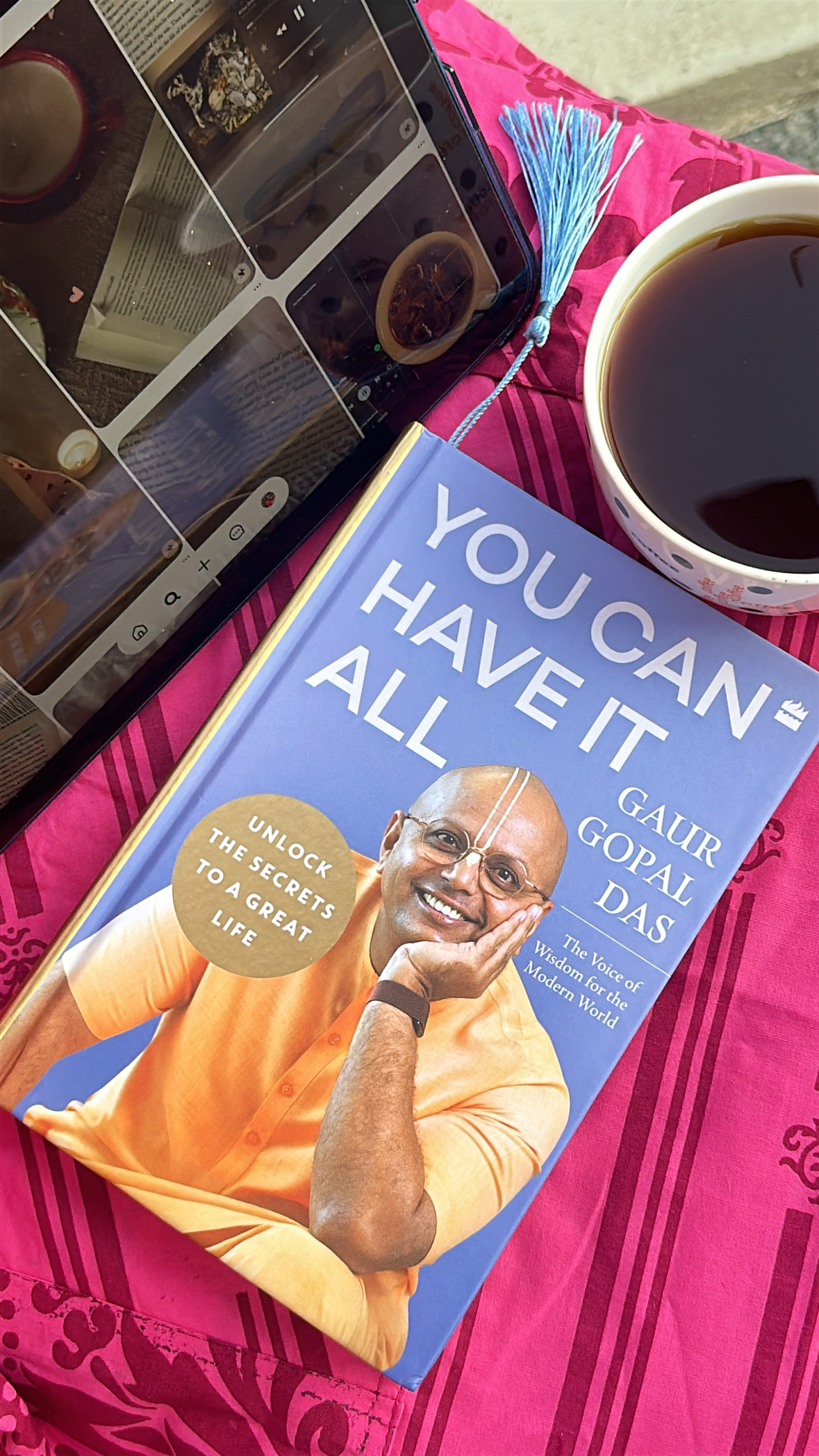
I’ve always been drawn to books that seamlessly bridge ancient spiritual wisdom with the modern chaos of everyday life, and Gaur Gopal Das masters this blend like no other. When I first read You Can Have It All: Unlock the Secrets to a Great Life — the latest release from the renowned monk and motivational speaker — I was navigating my own personal crossroads: balancing a high-pressure career, family responsibilities, and that persistent inner question many of us face: Can we truly have it all? Happiness, success, love, good health, financial freedom, and lasting peace — without sacrificing one for another?
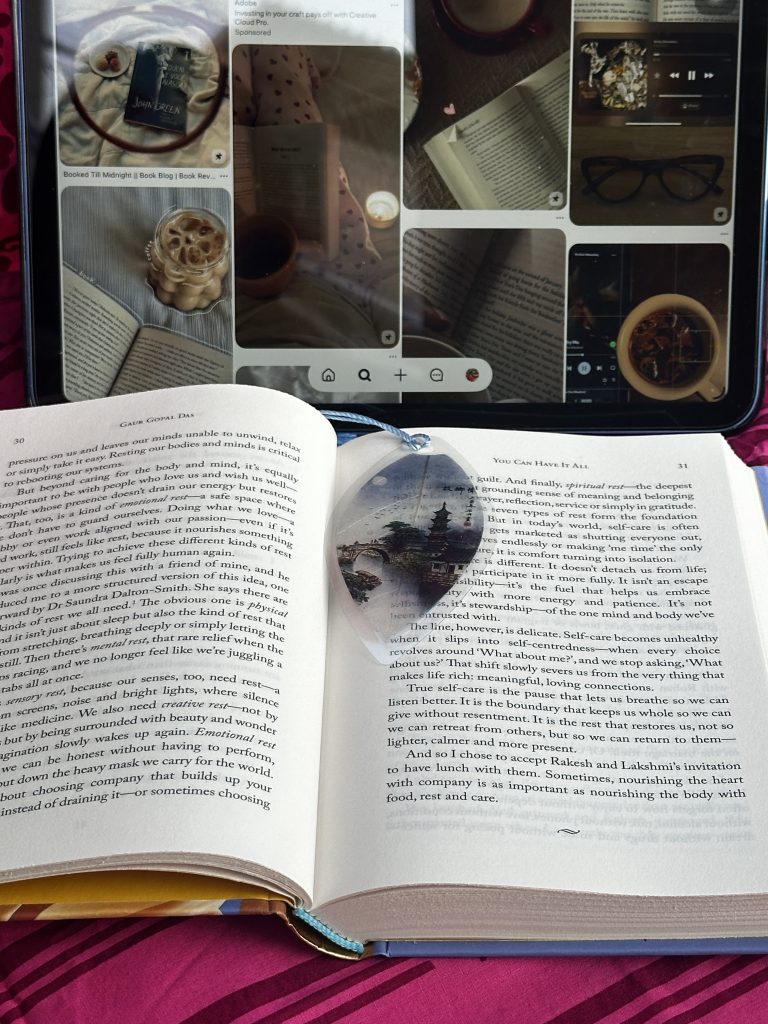
This book became more than just a read; it felt like a compassionate companion during tough times. Gaur Gopal Das, with his 25 million followers and billions of video views worldwide, delivers his most personal and profound work yet. Set against the vibrant, soul-stirring backdrop of a three-day wedding in Jaisalmer, the narrative unfolds through heartfelt conversations, personal stories, gentle humor, and deep insights. It’s like sharing chai with a wise uncle who has lived through life’s highs and lows, sharing vulnerabilities that make his guidance incredibly relatable.
Das explores the delicate dance between ambition and inner peace, urging readers to shift perspective, recognize blind spots, cultivate self-compassion, and embrace balance over burnout. One poignant section on overcoming inner obstacles and forgiving ourselves for not having everything figured out hit me deeply — I paused, reflected on missed moments with loved ones, and felt the weight of relentless “success” chasing lift. In a culture that glorifies hustle, this book is a powerful reminder that true abundance flows from alignment, not exhaustion.
What makes You Can Have It All so emotionally resonant is Das’s signature style: simple yet poetic prose that transforms complex philosophical ideas into digestible, life-affirming nuggets. His iconic wit brings laughter through quirky everyday analogies, while moments of quiet introspection on relationships and hidden heartaches brought tears — reminding us how often we seek external validation while overlooking the love and peace already within.
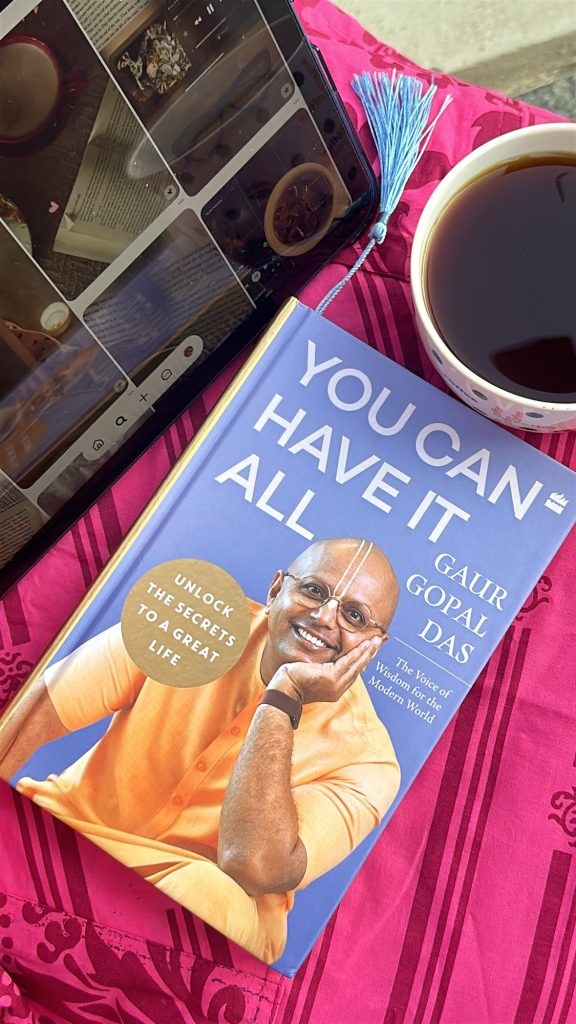
Critics might call it “basic self-help” or a one-time read, but its strength lies precisely in that accessibility. Perfect for overworked professionals, soul-searching students, or anyone craving personal growth and meaningful fulfillment, this book draws from Das’s decades as a monk while feeling grounded in real human experience.
In the end, You Can Have It All left me with renewed hope, greater self-kindness, and a clearer path to a life that’s richly balanced. It doesn’t promise perfection but offers a radical, transformative framework for holding ambition and inner peace together. If you’re feeling lost in the noise of daily striving — questioning if happiness, success, love, health, and peace can coexist — this is the book that might gently heal parts of you that you didn’t even realize were aching.
Highly recommended — five stars from a truly grateful reader. If you’re searching for a monk’s guide to balance, purpose, happiness, and inner peace, look no further. Pre-order or grab your copy today and start unlocking the secrets to the great life you deserve.
Five Takeaways from the Book
1. Success means nothing if you are miserable while achieving it
One of the strongest themes in the book is the reminder that professional success without emotional or personal fulfilment is hollow. Gaur Gopal Das constantly nudges readers to ask themselves a simple but uncomfortable question: What is the point of winning the race if you hate the life you are running toward?
The book gently challenges the hustle culture narrative and encourages readers to pursue ambition without sacrificing inner peace.
2. Balance is not a destination — it’s a daily adjustment
The idea of “having it all” does not mean achieving a perfect, static balance between work, relationships, health, and happiness. Instead, the author reframes balance as something fluid.
Some days work will demand more attention. Other days your relationships or your mental health need to come first. Learning to recalibrate constantly, rather than chasing perfection, is one of the book’s most realistic insights.
3. Your mindset determines how you experience life
Throughout the book, the author emphasises that the same situation can either feel like a burden or an opportunity depending on how we interpret it.
The way we frame challenges — whether as growth opportunities or as personal failures — shapes our entire emotional experience of life. The book repeatedly brings the focus back to cultivating awareness and perspective.
4. Relationships deserve the same investment as careers
In our pursuit of goals, promotions, and milestones, relationships often become an afterthought. The book reminds readers that meaningful connections are not things we can postpone indefinitely.
Friendships, family bonds, and partnerships require presence, attention, and care — not leftover time squeezed between deadlines.
5. Self-awareness is the foundation of a fulfilling life
A recurring theme in the book is the importance of knowing yourself — your values, your motivations, your fears, and your priorities.
Without self-awareness, people often chase goals that society applauds but that ultimately do not align with their own happiness. The book invites readers to slow down and reflect before running on autopilot through life.
Final Thoughts on You Can Have It All
Reading You Can Have It All felt a little like sitting down for a long conversation with someone who is gently but firmly asking you to pause and reconsider the direction you’re heading in.
It doesn’t shout life advice at you. It doesn’t try to overwhelm you with complicated philosophies either. Instead, the book quietly nudges you toward reflection. Through simple anecdotes, observations, and everyday examples, Gaur Gopal Das brings attention to the small but significant ways we drift away from the things that truly matter.
What I appreciated most was how approachable the tone of the book is. It doesn’t feel preachy or overly spiritual. Rather, it reads like a thoughtful reminder that life is not meant to be a constant sprint toward the next achievement.
At times, the ideas may feel familiar — themes of balance, mindfulness, and relationships have appeared in many self-development books before. But there’s something about the way these ideas are presented here that feels warm and conversational rather than instructional.
This is the kind of book you don’t necessarily rush through. Instead, you find yourself pausing between chapters, reflecting on your own habits, priorities, and choices. It quietly asks you uncomfortable questions — the kind that linger long after you close the book.
If anything, You Can Have It All serves as a reminder that success and happiness are not mutually exclusive — but achieving both requires intention, awareness, and sometimes the courage to redefine what “having it all” actually means.
And perhaps that’s the most valuable takeaway of all: maybe having it all isn’t about accumulating everything life offers, but about understanding what truly matters to you — and having the wisdom to choose it.
Leave a Reply